

Beef tallow is having a moment. Once confined to the kitchen, this rendered animal fat has become one of the most talked about skincare ingredients on social media and praised by wellness communities as a “natural” alternative to moisturisers and barrier creams
But does the trend hold up to scrutiny? And more importantly, is it right for your skin?
In this guide, consultant dermatologist and Klira founder Dr. Emma Craythorne cuts through the noise to explain what the science actually says about beef tallow in skincare, from how it interacts with the skin barrier to why not all fatty acids are created equal.
Watch: Dr. Emma Craythorne on Beef Tallow and the Science of Skin
What Is Beef Tallow and Why Is It Trending?
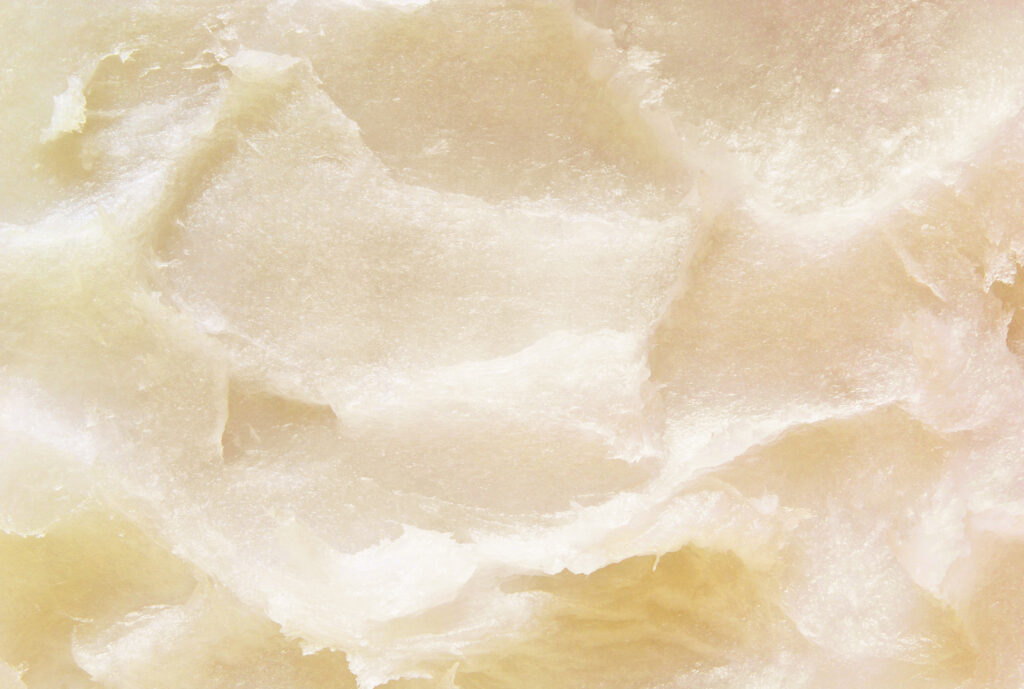
Beef tallow is a rendered fat derived from cattle, composed largely of saturated and monounsaturated fatty acids. Its resurgence in skincare is driven by the “back to basics” wellness movement, which champions natural, single-ingredient products and positions synthetic skincare as inherently harmful.
Advocates claim tallow is uniquely compatible with human skin because its fatty acid profile broadly resembles the lipids found in the skin. And while there is a kernel of scientific truth in that the type of fatty acids matters the story is more nuanced than the trend suggests.
How Does Beef Tallow Interact with the Skin?
Beef tallow is rich in the following fatty acids:
Oleic acid (Omega-9): a monounsaturated fatty acid that penetrates the skin readily
Stearic acid: a saturated fat with occlusive (sealing) properties
Palmitic acid: another saturated fatty acid commonly found in skin lipids
One of the reasons tallow has attracted attention is its potential to reduce transepidermal water loss (TEWL), the process by which water evaporates through the outer layers of the skin into the environment. A healthy, intact skin barrier minimises TEWL; a compromised one allows excessive moisture to escape, leading to dryness, sensitivity, and irritation.
Because tallow forms an occlusive layer on the skin’s surface, it can physically slow TEWL in a similar way to other occlusive ingredients like petrolatum or shea butter.
The Problem with Oleic Acid and Why Molecular Structure Matters
Here is where the science becomes critical, and where we see the trend oversimplified.
Oleic acid, one of the dominant fatty acids in beef tallow, is not universally beneficial for the skin. In fact, research suggests that in certain skin types and conditions, oleic acid may actually disrupt the skin barrier rather than support it.
The skin barrier is partly maintained by a precise ratio of fatty acids; most critically a balance between linoleic acid (Omega-6) and oleic acid (Omega-9). Skin that is acne-prone, inflamed, or already compromised often has an excess of oleic acid relative to linoleic acid. Adding more oleic acid through tallow may therefore:
Further disrupt barrier integrity in sensitive or reactive skin
Contribute to congestion and comedone formation in acne-prone or oily skin types
Exacerbate conditions such as eczema or seborrhoeic dermatitis in susceptible individuals
The natural origin of an ingredient does not determine its suitability. What matters is its molecular behaviour once it interacts with your specific skin biology.
Natural Doesn’t Always Mean Better
One of the most persistent myths in skincare is that “natural” equals safe, gentle, and effective. Dr. Craythorne’s approach directly challenges this:
At Klira, we believe skincare should be guided by evidence and not trends.
The skincare industry is rife with ingredients that are natural in origin yet problematic in application; from essential oils that trigger photosensitivity to plant-derived compounds that cause allergic reactions. The inverse is equally true: highly refined, pharmaceutical grade ingredients often outperform their natural counterparts in clinical settings precisely because their molecular properties, concentrations, and delivery mechanisms are controlled.
Beef tallow may work well for some people, particularly those with very dry, non-acne-prone skin who benefit from the occlusive properties. But it is not a universal solution and applying it without understanding your skin type could cause more harm than good.
How to Know If an Ingredient Is Right for Your Skin
The question is rarely “is this ingredient good or bad?” it is “is this ingredient right for my skin?”
That depends on understanding your skin at a cellular level: how your skin produces sebum, how well your barrier functions, how your skin responds to inflammation, and how effectively it manages pigmentation and collagen production.
This is precisely why Klira’s approach is built on the SkinSize™ system, a dermatologically rigorous framework developed by Dr. Craythorne that classifies skin into 12 types based on four key functions: melanin, collagen, barrier, and sebum.
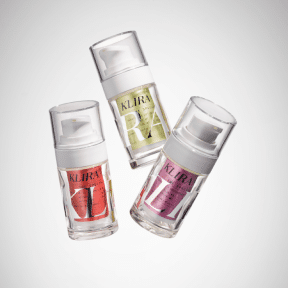
Once your SkinSize™ is identified, your Klira Special is prescribed accordingly. A bespoke, freshly compounded night treatment combining both personalised and prescription ingredients in the precise combination and concentration your skin actually needs.
The Bottom Line on Beef Tallow in Skincare
| Beef Tallow | Klira Special |
Formulation basis | Trend led, anecdotal | Dermatologist led, clinical evidence |
Personalisation | None | Bespoke to your SkinSize™ |
Oleic acid risk | Uncontrolled and may disrupt barrier | Managed within precise formulation |
TEWL reduction | Occlusive, and surface level only | Barrier repair at a cellular level |
Suitable for acne-prone skin | Potentially problematic | Formulated to your specific sebum profile |
Ingredient quality | Unregulated | Pharmaceutical grade and formulated in our London lab |
Discover Your SkinSize™ and What Your Skin Actually Needs
If you are navigating the noise of skincare trends and want to know what is genuinely right for your skin, start with the science.
Take Klira’s free online SkinSize™ test. 51 dermatologically designed questions that analyse your skin’s collagen, melanin, barrier and sebum function and find out exactly what your skin needs.

Emma Craythorne is a Consultant Dermatologist, Trustee for the Cosmetic Practice Standards Authority and ex-President of the British Cosmetic Dermatology Group. Dr Emma is well known for her TV series – The Bad Skin Clinic – her renowned private practice, and NHS work.
- Dr Emma Craythorne
- Dr Emma Craythorne
- Dr Emma Craythorne