Posted on

How to Manage Hormonal Acne Breakouts After Stopping the Birth Control Pill

“Acne” (acne vulgaris) is one of the most common skin conditions, affecting people of all ages. Many individuals first encounter Acne during puberty, but for some, its impact may extend well into adulthood.

Some women notice that their Acne worsens after stopping “the pill” (the combined oral contraceptive pill).

This is because some people’s oil glands are particularly sensitive to androgens (male sex hormones) which we all have! and produce more oil in response to these circulating hormones. The pill provides a lot of hormonal stabilisation, so when the pill is discontinued, the re-emergence of natural hormonal fluctuations, especially those involving androgens, may lead to increased sebum production and subsequent flare-ups.

In this guide, we explore the role of hormonal changes in “Post-Pill Acne” and introduce The Klira Special – a targeted skincare solution designed to address multiple facets of Acne.

Understanding Acne Vulgaris

What is Acne?

Acne vulgaris is a common skin condition characterized by a variety of lesions, including blackheads, whiteheads, papules, pustules, and in more severe cases, nodules or cysts.

Hormonal Acne is typically found on the lower face especially along the chin and jawline – but can appear anywhere on the face, neck, chest and back.

This occurs when the tiny oil-producing glands, known as sebaceous glands, become overactive and produce excess sebum, a natural oil that keeps the skin lubricated.

The underlying mechanisms of Acne

The development of Acne is a multifactorial process that involves several key elements:

  • Excess sebum production: Hormonal influences, particularly androgens (male hormones that are also present in females), can cause sebaceous glands to produce too much oil. Some individuals have oil glands that are particularly sensitive to these androgens.
  • Hyperkeratinisation: This is a process where the lining of the pore thickens due to an abnormal buildup of dead skin cells. This buildup can clog the pores, leading to the formation of blackheads and whiteheads.
  • Bacterial colonisation: The clogged pore creates an ideal environment for bacteria – most notably Cutibacterium acnes – to multiply. Bacterial overgrowth can trigger an immune response, leading to inflammation.
  • Inflammation: As the immune system reacts to the bacterial presence, inflammation occurs. This results in red, swollen, and sometimes painful lesions on the skin.

Together, these factors result in the various types of Acne lesions that many people experience. It is important to note that while acne can cause physical discomfort, it can also have a significant impact on mental health, affecting self-esteem and overall quality of life.

Hormonal influences in “Post-Pill Acne”

The role of hormones in Acne

Hormones play a central role in the development of Acne. Androgens, even at normal levels, can have a pronounced effect on the sebaceous glands in some individuals. When these glands are highly sensitive to androgens, they produce more sebum than is necessary, which, combined with the thickening of the pore lining, creates a breeding ground for bacteria and inflammation.

How “the pill” affects Acne

Combined oral contraceptive pills are often prescribed for reasons beyond birth control. One of their beneficial side effects for some women is the stabilisation of hormonal fluctuations.

By regulating hormone levels, the pill can help reduce the overactivity of sebaceous glands and subsequently, the severity of acne.

However, it’s important to understand that the pill’s primary use is not the treatment. Its use is generally reserved for those with a clear hormonal component to their acne, such as women whose breakouts are worse at specific times of the month, or those with polycystic ovary syndrome (PCOS).

What happens when you stop the pill?

When a woman discontinues the pill, the hormonal balance that was previously maintained begins to shift back to its natural state. For women with androgen-sensitive skin, this change can lead to an increase in sebum production, potentially triggering or exacerbating acne. This phenomenon is sometimes referred to as “post-pill acne,” although it is more accurately understood as a flare-up in response to hormonal rebound.

Strategies for managing Post-Pill Acne

Managing acne often requires a multi-pronged strategy. Traditional treatments include:

  • Topical treatments: These are applied directly to the skin and include ingredients like benzoyl peroxide, topical antibiotics, and retinoids (such as tretinoin). They work by reducing bacterial load, unclogging pores, and promoting cell turnover.
  • Oral medications: For more severe cases, oral antibiotics or hormonal treatments (including the pill or even anti-androgen medications like Spironolactone) may be prescribed.
  • Isotretinoin: This is reserved for severe scarring. While highly effective, Isotretinoin comes with significant potential side effects and requires close monitoring.

Despite these options, many patients seek effective topical solutions that can be incorporated into their daily skincare routine.

Introducing The Klira Special

The Klira Special is a carefully formulated skincare treatment designed to address the multifaceted nature of acne vulgaris, especially in cases where hormonal changes – such as those following the discontinuation of the pill have triggered a flare-up. It combines several active ingredients, each chosen for its specific benefits in managing acne and promoting skin health.

The active ingredients and their benefits

  1. Tretinoin:
  • Function: A derivative of vitamin A, tretinoin is well known for its ability to accelerate cell turnover. It helps to unclog pores by promoting the shedding of dead skin cells, thereby reducing the formation of  blackheads and whiteheads.
  • Benefit: By clearing blocked pores, tretinoin minimizes the risk of bacterial overgrowth and inflammation, which are central to acne development.

2. Azelaic Acid:  

  • Function: Azelaic acid possesses both antibacterial and anti-inflammatory properties. It helps to calm irritated skin and reduce the redness associated with lesions.
  • Benefit: This ingredient not only combats the bacteria involved but also helps to even out skin tone, reducing the appearance of post-inflammatory hyperpigmentation (dark spots).

3. Aloe:

  • Function: Renowned for its soothing and hydrating properties, aloe helps to alleviate irritation and maintain skin moisture.
  • Benefit: By calming the skin, aloe minimizes the discomfort often associated with active treatments, making the overall regimen more tolerable.

4. Ivermectin:

  • Function: Although more commonly recognised for its anti-parasitic properties, recent research suggests that Ivermectin can also play a role in reducing skin inflammation.
  • Benefit: Its inclusion in The Klira Special helps to temper the inflammatory response that is characteristic of acne, contributing to clearer and calmer skin.

5. Lipid Blend (Cholesterol, Ceramides, and Free Fatty Acids in a 1-2-1 Ratio):

  • Function: This unique combination is designed to mimic the natural lipids found in the skin. Ceramides and free fatty acids help to repair and reinforce the skin’s barrier, while cholesterol plays a critical role in maintaining barrier integrity.
  • Benefit: A healthy skin barrier is essential for preventing moisture loss and protecting the skin from external irritants. Restoring this barrier not only aids in healing but also reduces the likelihood of further irritation and inflammation.
 

How The Klira Special addresses Post-Pill Acne

Given the complex nature of Acne Vulgaris, particularly when exacerbated by hormonal changes, The Klira Special offers a comprehensive approach:

Exfoliation and pore clearance: Tretinoin helps to gently exfoliate the skin, reducing the buildup of dead skin cells that can clog pores.

Anti-inflammatory action: Azelaic acid and Ivermectin work together to control the inflammatory response, reducing redness and swelling.

Soothing and hydration: Aloe provides a cooling effect that calms irritated skin, while the lipid blend restores and maintains the skin’s protective barrier.

Overall skin health: By addressing multiple aspects of acne pathophysiology – from excess sebum production and clogged pores to inflammation and barrier dysfunction – The Klira Special helps to reduce the frequency and severity of breakouts that may occur after stopping the pill.

Self-care and additional considerations

Lifestyle and skincare practices

While topical treatments like The Klira Special can be highly effective, managing acne also involves good self-care and lifestyle practices:

Gentle cleansing: Use a mild, non-comedogenic (non-clogging) cleanser to remove dirt, oil, and makeup without stripping your skin of its natural moisture.

Sun protection: Many active ingredients, including Tretinoin, can increase your skin’s sensitivity to sunlight. Apply a broad-spectrum sunscreen daily to protect your skin from harmful UV rays.

Avoid picking: It may be tempting to pick or squeeze lesions, but this can worsen inflammation and lead to scarring. Instead, allow your skin to heal naturally. There are plenty of soothing hydrocolloid plasters on the market which you can apply last thing at night to stop compulsive picking!

Diet and hydration: While there is limited evidence linking specific diets to acne, a well-balanced diet and proper hydration support overall skin health.

Emotional well-being: Acne can have a significant impact on self-esteem and mental health. If you find that your skin condition is affecting your mood, consider speaking with a healthcare professional or counselor for additional support.

When to consult a healthcare professional

If you notice that your acne worsens significantly after stopping the pill or if over-the-counter treatments are not providing sufficient improvement, it is important to consult a healthcare professional such as a Dermatologist. They can help determine whether your acne is primarily driven by hormonal factors, guide you on the appropriate treatment regimen, and monitor for any side effects.

In cases of severe or persistent acne, a dermatologist may recommend additional treatments such as oral antibiotics, Isotretinoin, or even hormonal therapies like Spironolactone.

In Summary

Acne vulgaris is a complex skin condition influenced by a combination of genetic, hormonal, and environmental factors. For women who have experienced improvement while taking the combined oral contraceptive pill, discontinuation can sometimes lead to a rebound in acne – especially if their oil glands are sensitive to androgens.

Understanding the underlying mechanisms of acne, including excess sebum production, follicular blockage, bacterial overgrowth, and inflammation, is essential for effectively managing this condition.

The Klira Special offers a modern, multifaceted approach to addressing post-pill acne by combining powerful active ingredients such as Tretinoin, Azelaic Acid, Aloe Vera, Ivermectin, and a restorative lipid blend. This formulation not only works to unclog pores and reduce inflammation but also soothes and repairs the skin’s natural barrier, paving the way for clearer, healthier skin.

By incorporating both effective topical treatments and sound self-care practices, individuals can better manage the transition following pill discontinuation and reduce the impact of acne vulgaris on their lives.

Remember that every skin is unique; what works for one person may not work for another. Therefore, a personalised approach – ideally designed by a Dermatologist – is the best strategy for achieving long-term improvement.

For further reading on post-pill acne, visit The British Association of Dermatologists and to learn more about The Klira Special and its ingredient breakdown, check out The Klira Special page.

This guide is intended for informational purposes and should not replace professional medical advice. Always consult your healthcare provider to determine the most appropriate treatment for your individual skin needs.

Our Dermatology Team will review your SkinSize™ Analysis, medical information, and photos to decide which ingredients you will receive in your bespoke formula.

Posted on

Peptides In Skincare: Why Klira Uses Them

Hydrolysed collagen peptides – often called “Botox in a bottle” – are some of skincare’s hydration heroes. They’re brilliant moisturisers that reduce dryness and wrinkles by increasing hydration in the skin’s outer layer (known as the stratum corneum).

Peptides are also thought to be involved in cell signalling, specifically in telling the skin to rebuild and repair itself by making more collagen (although the evidence is still emerging).

Incorporating peptide products into your skincare routine is generally far more effective for increasing your natural collagen levels than taking a collagen supplement!

The Klira Special offers the most personalised formula for facial skin on the market—with each special containing up to 11 hand-selected ingredients (including peptides!) that work in synergy for your SkinSize™.

Not to mention the new Body Special, which allows you to achieve similarly excellent results across your chest, hands, and body skin.

What are peptides in skincare?

Peptides are short chains of amino acids that support hydration and help improve skin resilience. By attracting and retaining moisture, they keep the skin plump, reducing the appearance of fine lines and wrinkles.

Beyond hydration, some peptides also act as messengers, signalling the skin to boost collagen production via its natural repair mechanisms.

It is a common misconception that peptides are absorbed into the skin and used to make collagen. Instead, peptides trigger the skin to produce collagen naturally.

This potential role in firming and strengthening the skin is why peptides are widely used in advanced skincare formulations. However, research into their collagen-stimulating effects is still developing.

Why Klira uses peptides in skincare

At Klira, we harness the power of peptides to enhance skin hydration and overall health.

Personalised formulation:

The Klira Special is the most customised skincare formula available, containing up to 11 expert-selected ingredients—including peptides—designed specifically for your SkinSize™.

Comprehensive skincare:

The new Body Special extends these benefits beyond the face, providing targeted hydration and repair for areas like the chest, hands, and body. 

How peptides fit into your skincare routine

If you’re looking to enhance skin hydration and support long-term skin health, peptides are a valuable addition to your skincare routine. Here’s how to get the most out of them:

Use peptides consistently:

Regular application helps maintain hydration and reinforces the skin barrier. You can apply your Klira Special nightly, as the final step in your skincare routine, to achieve this.

Pair peptides with other actives:

They work well alongside ingredients like Hyaluronic Acid for hydration and Ceramides for barrier repair. The Klira Special already combines these ingredients for you.

Layering peptide skincare products:

For dedicated peptide users, you could consider a peptide eye cream after your nighttime moisturiser, and before your Klira Special. We love the CeraVe Skin Renewing Eye Cream with Peptide Complex, which hydrates the delicate skin around the eyes, reducing the appearance of fine lines and crow’s feet. 

Your guide to the perfect peptide skincare routine:

Mornings:

Cleanser: Wash your face with a gentle, lipid-replenishing cleanser, that maintains moisture without stripping the skin. We love La Roche-Posay Lipikar Syndet AP+ Cream Wash and Avène XeraCalm A.D Lipid-Replenishing Cleansing Oil.

Vitamin C & peptide serum (optional): If you’ve mastered daily SPF and Klira use, the next step is adding Vitamin C in the mornings. Some serums even combine Vitamin C and peptides—like the Obagi Professional-C Peptide Complex Serum. Vitamin C acts as an antioxidant shield against pollution and oxidative stress, gradually brightening skin.

Moisturiser (optional): If you have dry skin, try the CeraVe Skin Renewing Day Cream SPF 30, which contains peptides for extra hydration.

SPF (non-negotiable!): There’s no point in using peptides if you’re not protecting your skin with broad-spectrum SPF daily. The most science-backed approach for youthful skin is broad-spectrum sunscreen with UVA and UVB protection. Dermatologists highly recommend La Roche-Posay UVMune 400 SPF50, which suits all skin types. If you’re on a budget, check out The Altruist SPF50, designed by dermatologists for affordability. Remember: reapply throughout the day for optimal protection!

Evenings:

Cleanser: Same as above.

Moisturiser: A night cream is essential when using Klira. Apply your evening moisturiser 30-60 minutes before your Klira Special. We love La Roche-Posay AP+M Moisturiser—Dr Emma raves about this on her After Hours Skin Clinic podcast.

Eye cream (optional): As mentioned above, CeraVe Skin Renewing Eye Cream is an excellent choice.

Klira Special: Your ultimate, personalised prescription skincare. Klira contains peptides that signal collagen production and Tretinoin, which speeds up skin cell turnover—helping to unclog pores and slow signs of ageing.

The Body Special: Don’t neglect your body’s skin! Prevention is better than cure, and the peptides in our Body Special will help maintain smooth, youthful skin over time. 

FAQs

Are peptides safe for all skin types?

Yes! Peptides are gentle and suitable for all skin types, including sensitive skin.

How long does it take to see results with peptides?

Most users notice improved hydration within a few weeks, with firmer, smoother skin appearing gradually over time with consistent use.

Can peptides replace Retinol or vitamin C?

Peptides work best alongside other active ingredients. We suggest starting with a simple routine: SPF in the morning and Klira at night (which already contains a retinoid). After a few months, you can introduce Vitamin C in the mornings.

Which is better—Hyaluronic Acid or peptides?

If hydration is your main concern, Hyaluronic Acid attracts and retains moisture. If collagen support and anti-ageing are your focus, peptides signal the skin to boost collagen and elastin production. The best option? Use both! The great news? Klira Special contains both.

Final thoughts

Peptides are a key player in Klira’s science-backed formulations, helping to maintain youthful, hydrated skin. Whether through the Klira Special or Body Special, or both, incorporating peptides into your skincare routine supports skin health and long-term radiance.

Discover your personalised formula today!

Our Dermatology Team will review your SkinSize™ Analysis, medical information, and photos to decide which ingredients you will receive in your bespoke formula.

Posted on

How Klira Loves Your Skin: A Comprehensive Guide to Skin Health and Sustainability

At Klira, we believe that skincare is more than just a routine—it’s an act of love. As a loyal Klira customer, you’re already showing your skin the care it deserves, and we’re here to return that love in every way possible. Here’s how Klira is dedicated to loving your skin and the environment: 

Klira Loves Your Skin Barrier 

Your skin barrier is your first line of defence, and Klira is committed to protecting it. Our custom formulas are carefully crafted with ingredients that cushion and nourish your skin barrier, allowing it to embrace more active ingredients. With components like hyaluronic acid, shea butter, aloe, ceramides, and fatty acids, our products protect your skin from dryness and irritation, making it easier to maintain a healthy, resilient complexion. 

Klira Loves Your Collagen 

Collagen is essential for maintaining skin elasticity and bounce, and Klira is here to support it. Our potent active ingredients are scientifically proven to regenerate your collagen, reducing existing wrinkles and fine lines while preventing new ones from forming. With Klira, you can rejuvenate your skin, bringing back that youthful glow and confidence. 

Klira Loves the Environment 

At Klira, we are deeply aware of the environmental impact of the cosmetics industry. While skincare is essential, it often comes with a lot of waste. That’s why Klira’s minimalist approach to skincare combines the most important ingredients in a single formula, reducing the need for multiple products and excessive packaging. Our glass bottles and refill options are fully recyclable, reflecting our commitment to loving and protecting our planet, Mama Earth. 

Klira Loves You 

Klira was founded by dermatologists with a mission to streamline skincare, making powerful ingredients accessible without the need for costly dermatologist visits. We want to ensure that you truly understand your skin, its needs, and how to treat it right. Too many people buy products without knowing their SkinSize or proper diagnosis. With Klira, you get access to decades of dermatological expertise, both in your custom formula and through direct contact with our dermatology team. We’re here to make sure you—and your skin—feel the love. 

Share the Love 

When you care for your skin with Klira, it’s a relationship that gives back. Our products are designed to make your skincare journey as rewarding and effective as possible. Share the love with someone special and introduce them to Klira—because when you love your skin, Klira loves you back.

Our Dermatology Team will review your SkinSize™ Analysis, medical information, and photos to decide which ingredients you will receive in your bespoke formula.

Posted on

What Does a Dermatologist Do?

The Importance of Dermatologists

When it comes to skincare, there’s often confusion about the roles and expertise of various skin professionals. While aestheticians and cosmetic doctors play important roles in skin health, a dermatologist’s training and expertise are unmatched when it comes to diagnosing and treating skin conditions. But what exactly is a dermatologist, and what sets them apart from other skincare professionals? Let’s break down the role of these skin experts and why their knowledge is crucial for maintaining healthy skin.

What Is a Dermatologist?

A dermatologist is a medical doctor who specialises in diagnosing, treating, and preventing diseases of the skin, hair, and nails. Dermatologists are trained to manage over 2,000 different skin conditions, ranging from common issues like acne and eczema to life-threatening diseases like melanoma. Their extensive training allows them to provide comprehensive care for patients with a wide range of skin concerns. Continue reading What Does a Dermatologist Do?

Posted on

Using Topical Retinoids in Winter: A No-Nonsense Guide

Winter can be a challenging season for skincare, especially if you’re using topical retinoids. But here’s the key takeaway: consistency is non-negotiable. Retinoids are proven to reduce wrinkles, reverse photo damage, treat acne, and rejuvenate your skin—but only when used daily. Stopping and starting disrupts these benefits, so sticking to your routine is crucial.

Why Consistency Matters

The science behind retinoids is clear: their transformative effects come from consistent use. Studies that showcase their benefits are based on daily application. When you use retinoids consistently, you’re allowing your skin to adjust and fully reap the rewards. While winter might tempt you to pause, doing so could set back your progress.

That said, winter can be hard on your skin. Cold air, low humidity, central heating, and even friction from scarves or coats can compromise your skin barrier, leading to irritation. The solution isn’t to stop but to adjust your routine to protect and support your skin.

Adjusting Your Retinoid Routine in Winter

Keep Applying Your Retinoid Every Day

The golden rule? Don’t skip your retinoid. If you notice irritation—commonly around the nose, chin, or cheeks—it’s fine to temporarily avoid those areas while they recover. But continue applying it to the rest of your face. Some dryness or redness is normal and signals that your retinoid is working. It’s stimulating your skin to renew and behave more youthfully. Embrace these minor discomforts as part of the process.

Support Your Skin Barrier

A strong skin barrier is essential for tolerating retinoids in winter. Here’s how to build a supportive routine:

/01 Choose a Gentle Cleanser

Opt for a hydrating, non-stripping cleanser to avoid exacerbating dryness. Some excellent options include:

  • Cetaphil Gentle Cleanser
  • SVR Topialyse Oil Cleanser
  • Hada Labo Oil Cleanser

/02 Use Moisturiser Strategically

To counter dryness, apply moisturiser either before or after your retinoid:

  • Before: If your skin feels extra dry, use a moisturiser as a buffer before applying the retinoid.
  • After: Apply a generous layer of moisturiser at night after your retinoid.

Recommended moisturisers:

  • La Roche-Posay Lipikar Baume AP+M
  • CeraVe Moisturizing Cream
  • Aveeno Dermexa

For sensitive skin, try:

  • La Roche-Posay Toleriane Cream
  • Cicaplast Baume AP+M

/03 Reapply Moisturiser During the Day

Harsh winter conditions can dehydrate your skin. Don’t hesitate to reapply a thick layer of moisturiser during the day, especially if you’re spending time outdoors in cold wind or snow. Protect your skin with a scarf as well.

Simplify the Rest of Your Routine

Winter is not the time to overwhelm your skin with active ingredients. Stick to a simple routine:

  • Gentle cleanser
  • Retinoid
  • Rich, soothing moisturiser

Avoid exfoliants or strong acids that could further irritate your skin. A streamlined routine helps your skin better tolerate the retinoid.

Managing Irritation

Even with the best routine, occasional irritation can happen. Here’s how to manage it:

  • Skip Irritated Areas: If certain spots are red or peeling, avoid applying the retinoid there until they settle. Continue using it on the rest of your face.
  • Scale Back Temporarily: If irritation feels excessive, reduce your retinoid application to every other day. Resume daily use as soon as your skin adjusts.
  • Embrace the Process: Minor redness or peeling is a sign the retinoid is working. While severe irritation isn’t ideal, these signs indicate your skin is renewing and improving.

Long-Term Benefits

Retinoids are a long-term investment in your skin. While winter may be challenging, the benefits compound over time. By staying consistent now, you’ll set yourself up for healthier skin when spring arrives. Remember:

  • Use a gentle cleanser.
  • Support your skin barrier with a rich moisturiser.
  • Adjust application as needed but stay consistent.

Your future self will thank you for sticking with your routine. Winter may test your commitment, but with the right adjustments, you can keep your skin on track.

Stay consistent, stay moisturised, and keep going strong. You’ve got this!

Our Dermatology Team will review your SkinSize™ Analysis, medical information, and photos to decide which ingredients you will receive in your bespoke formula.

Posted on

Discover Your SkinSize™: The Future of Personalised Skincare

The mass skincare industry has long relied on generic skin types—oily, dry, combination, and sensitive—but these categories are far too simplistic to address the true diversity of individual skin needs. For example, many people mistake dryness for sensitivity or fail to realise that oily skin can also be a sign of sensitivity. These broad categories simply don’t capture the full picture of what your skin truly requires.

Enter SkinSize™, developed by Dr Emma Craythorne, a revolutionary concept that redefines how we understand and care for our skin.

By learning your unique SkinSize™, you can select the right products tailored specifically to your skin’s needs. This personalised skincare approach not only helps you achieve optimal results but also minimises waste, making your skincare routine more sustainable. No more guessing games or trial and error – just one expertly curated product containing all the active ingredients your skin requires.

What Is a SkinSize™?

Your SkinSize™ is a unique profile of your skin’s characteristics, determined by key factors such as your skin’s barrier health, hydration levels, sensitivity, and oil production. Unlike traditional skin types, SkinSize™ goes deeper, offering a precise understanding of your skin’s functional needs.

This detailed analysis ensures you no longer need multiple products to target different concerns. Instead, your SkinSize™ enables you to use a single, expertly formulated product designed to work harmoniously with your skin.

How Do We Determine Your SkinSize™?

To find your SkinSize™, we use advanced dermatological insights and a highly specialised test. The SkinSize™ test involves assessing your skin’s biology and behaviour through a comprehensive questionnaire. This data allows us to map out your unique SkinSize™, which serves as the foundation for your bespoke skincare solution.

Unlike a standard skincare quiz, the SkinSize™ approach is science-led and designed to deliver unparalleled accuracy. It’s this precise understanding that makes all the difference in achieving healthy, balanced skin.

Take the SkinSize™ Test

Ready to transform your skincare routine? Taking the SkinSize™ test is simple and fast. By answering a series of targeted questions about your skin’s condition and behaviour, you’ll unlock your unique SkinSize™ profile.

With this information, you’ll gain access to a personalised productThe Klira Special – containing all the active ingredients your skin needs—nothing more, nothing less. This means fewer wasted products, reduced environmental impact, and a streamlined routine that saves you time and money.

Discover your SkinSize™ today and experience the future of skincare. Take the test now at Klira Skin.

Our Dermatology Team will review your SkinSize™ Analysis, medical information, and photos to decide which ingredients you will receive in your bespoke formula.
Posted on

The Essential Guide to Understanding and Boosting Collagen

What is Collagen? 

Collagen is a vital protein that plays a critical role in maintaining the structural integrity of our skin, muscles, bones, cartilage, and hair. Often referred to as the “scaffolding” of the body, collagen provides the framework that keeps our skin firm, elastic, and youthful. There are about 28 different types of collagen, but Type I collagen is the most abundant in our skin, accounting for approximately 80-90% of our skin’s collagen content. 

As we age, our body’s natural collagen production begins to decline, typically starting in our mid-20s. This decrease in collagen leads to signs of ageing such as fine lines, wrinkles, sagging skin, and reduced skin elasticity. Understanding how collagen works and how to boost its production can help maintain youthful skin and overall skin health. 

How to Boost Collagen Production 

Maintaining or even boosting collagen levels as we age is possible through a combination of dietary choices, topical skincare products, and certain dermatological procedures. Here are some effective ways to support collagen production:

Dietary Changes

What you eat plays a significant role in your skin’s health and its ability to produce collagen. A balanced diet rich in protein, vitamins, and minerals can provide the building blocks necessary for collagen synthesis. 

  • Protein-Rich Foods: Foods like chicken breast, fish, egg whites, and bone broth are excellent sources of the amino acids needed for collagen production. These foods contain glycine, proline, and hydroxyproline, which are essential components of collagen. 
  • Vitamin C: This powerful antioxidant is crucial for collagen synthesis. It helps stabilise the collagen molecule and provides protection against damage. Foods rich in Vitamin C, such as bell peppers, citrus fruits, strawberries, and kiwi, should be a staple in your diet. 
  • Limited Sugar Intake: High sugar intake can lead to glycation, a process where sugar molecules attach to collagen fibres, making them stiff and brittle. Reducing sugar consumption can help maintain healthy collagen levels. 
  • Collagen Supplements: While the jury is still out on whether collagen supplements provide benefits beyond those of a balanced diet, some studies suggest that they may improve skin elasticity and hydration. If you choose to take supplements, look for hydrolyzed collagen, which is easier for the body to absorb. 

Topical Skincare Products

Certain skincare ingredients are known to boost collagen production and protect existing collagen from degradation: 

  • Retinoids: Members of the retinoid family, including retinol and Tretinoin, are proven to stimulate collagen production. They work by increasing cell turnover and promoting the synthesis of new collagen.  Tretinoin can be prescribed in your Klira formula should the Dermatology team see fit. 
  • Vitamin C: Topical Vitamin C serums can penetrate the skin to stimulate collagen production and neutralise free radicals that damage collagen. Using Vitamin C in your daily skincare routine can help maintain firm, youthful skin. 
  • Niacinamide: Also known as Vitamin B3, niacinamide can support collagen production and reduce the appearance of fine lines and wrinkles. It’s a versatile ingredient that can be easily incorporated into most skincare routines. 

Dermatological Procedures

Certain in-office treatments can significantly boost collagen production by stimulating the skin’s natural healing processes: 

  • Microneedling: This procedure involves tiny needles that create micro-injuries in the skin, triggering the production of new collagen as the skin heals. It’s effective for improving skin texture, reducing scars, and minimising fine lines. 
  • Radiofrequency: This treatment uses energy waves to heat the deep layers of the skin, stimulating collagen production and tightening the skin. It’s a non-invasive option for those looking to improve skin laxity. 
  • Laser Treatments: Lasers can target specific layers of the skin to encourage collagen production. Depending on the type of laser used, this treatment can improve everything from fine lines to skin tone and texture. 
  • Injectable Fillers: Some fillers, particularly those containing hyaluronic acid, can stimulate collagen production in addition to providing immediate volume. This dual action helps improve skin elasticity and firmness over time. 

Our Dermatology Team will review your SkinSize™ Analysis, medical information, and photos to decide which ingredients you will receive in your bespoke formula.

Posted on

Understanding Retinol Metabolism

Retinol can be a confusing skincare ingredient, primarily because the term “retinol” is often used interchangeably for all members of the retinoid family. However, not all retinoids are created equal, and understanding the differences between them is key to choosing the right product for your skin. One thing is certain: the retinoid family of ingredients, all derived from Vitamin A, are among the most powerful and scientifically backed ingredients available in skincare. But what makes them so effective? The answer lies in retinol metabolism, the process by which retinol is converted into its most active form, retinoic acid. 

The Retinoid Family 

Before diving into metabolism, let’s clarify the members of the retinoid family. Retinoids are a class of compounds derived from Vitamin A. The most common retinoids used in skincare include: 

  1. Retinol Esters: These are the mildest forms of retinoids, often found in over-the-counter (OTC) skincare products. They are the least irritating but also the least potent. 
  2. Retinol: A stronger form of retinoid, retinol is more effective than retinol esters but can still be found in OTC products. 
  3. Retinaldehyde: Also available OTC, retinaldehyde is even more potent than retinol but is less irritating than prescription forms. 
  4. Retinoic Acid (Tretinoin): This is the most potent form and is only available via prescription. Retinoic acid works directly on the skin without needing further conversion, making it highly effective for treating various skin concerns, including acne, fine lines, and uneven skin tone. 

The Metabolism Process: From Retinol to Retinoic Acid 

When applied to the skin, retinoids undergo a conversion process to become retinoic acid, the form that your skin cells can use. Here’s a breakdown of the steps: 

  1. Retinol Esters → Retinol: Retinol esters, the least potent form, are first converted into retinol. This step is relatively slow, making retinol esters less irritating but also less effective. 
  2. Retinol → Retinaldehyde: The next step in the conversion process involves the transformation of retinol into retinaldehyde. This form is more potent and closer to retinoic acid, making it more effective but potentially more irritating. 
  3. Retinaldehyde → Retinoic Acid: The final step is the conversion of retinaldehyde into retinoic acid, the active form that directly affects your skin’s cellular processes. This form is the most effective for stimulating collagen production, speeding up cell turnover, and treating acne and pigmentation. 

Why Retinoic Acid is Prescription-Only 

Retinoic acid, also known as Tretinoin, is highly potent and does not require any conversion in the skin. This direct action makes it extremely effective but also more likely to cause irritation, redness, and peeling, especially in sensitive skin. Due to its strength, retinoic acid is only available via prescription. At Klira, we offer prescription-strength retinoic acid as part of our custom skincare solutions, tailored to your unique skin needs. 

Prescription strength retinoic acid may be included in your Klira formula subject to professional assessment. 

Our Dermatology Team will review your SkinSize™ Analysis, medical information, and photos to decide which ingredients you will receive in your bespoke formula.
Posted on

EU retinol ban: does it affect your skincare?

You may have heard talk of the EU retinol ban and wondered what it means for your Klira Special. Rest assured, your Klira is safe!

Vitamin A is an amazing ingredient in topical skincare, but there’s often confusion around its different forms. Tretinoin (also known as Retinoic-Acid) is the gold standard of Vitamin A and has always been available only by prescription in the UK. It’s the most well-evidenced retinoid approved for the treatment of photodamage and acne, which in turn has many other skincare benefits. That’s why we use it in our Klira Specials.

Tretinoin changes how a cell functions by speeding up the turnover of older cells and encouraging newer skin cells to divide more rapidly, building up the layers of the epidermis and thickening it through cell proliferation at the top level. It also increases the production of hyaluronic acid, keeping the skin more plump. Additionally, it stimulates collagen production and importantly inhibits the breakdown of collagen. Tretinoin is also crucial in reducing inflammatory pathways in the skin that can contribute to acne and rosacea.

Ultimately, Tretinoin needs to be administered under the guidance of medical professionals. This is the team we have at Klira.

The EU retinol regulations target over-the-counter cosmeceutical retinol. While retinol is not as powerful as Tretinoin, incorrect use of the product can cause damage and irritation to the skin. The EU’s new regulations are aimed at ensuring consumers do not have access to an ingredient that can cause undue risk without medical guidance. We welcome these regulations. Too often, we have new customers coming to us with damaged skin barriers due to the incorrect use of products and following trends.

At Klira, we’re serious about your skin and feel passionately about having medical professionals who can navigate the best ingredients for you. Unlike off-the-shelf skincare, your Klira Special formula is carefully dosed and controlled by our team of Dermatologists to ensure your skin receives the most optimised ingredients bespoke to your skin’s needs.

Our Dermatology Team will review your SkinSize™ Analysis, medical information, and photos to decide which ingredients you will receive in your bespoke formula.
Posted on

Introducing The Body Special

Facial skincare is the priority for most people I see in my private practice. It is the area of the body that has had most UV exposure and that is reflected in many of the changes we see on the skin at this site. Our faces give people the first impression of us, they are always on show, the focus of conversations that we have, and usually in photographs that capture a moment. But there are other parts of our body that are also always on show, yet rarely get the same care and attention that we put into the skin on our face.  

I’m talking about our hands and chest. Whilst we are protecting the skin on our face, these areas have often taken a back seat in how we care for them and its usually only when the first signs of that damage occur is when we want to do something about it. What tends to bother the people I see in my clinic about this is the imbalance that starts to become noticeable. What many people want is to undo that damage and enjoy skin that is as healthy, clear, firm and radiant on their hands and chest as the skin on their faces (that they have earned with good daily treatment and sun protection).   

The signs of UV-induced ageing on the skin of the hands and chest are the same in both places.  The first sign is lost elasticity and ‘bounce’. If you gently pinch together the skin in these area it starts to wrinkle more  easily, and become “crepey”.  

The second sign is solar lentigines (also known as brown spots or age spots) appearing. They can start as quite subtle light brown ‘splodges’ but as the damage continues to come through over the years they get darker and larger.  

These signs of ageing in the skin are as a direct result of years of over exposure to UV. Our hands are almost always exposed, and the skin of the decolletage is impacted by UVA not only on the areas directly exposed but through thin layers of clothing also.   

Whilst the signs of ageing are the same in both these areas, and therefore the most effective treatments are the same, they can be very difficult to deliver – albeit for different reasons.  Our hands are in use so much of the time and SPF if applied diligently in the morning can often be washed away with handwashing. The skin on our hands and chest are more prone to irritation, the skin here is thinner than you think and in some people not too dissimilar as the skin in the delicate eye area. Harsh chemicals that can be often used on the face start to cause irritation to the skin on the hands and chest, due to rubbing of clothes or handwashing, or thinness of skin. 

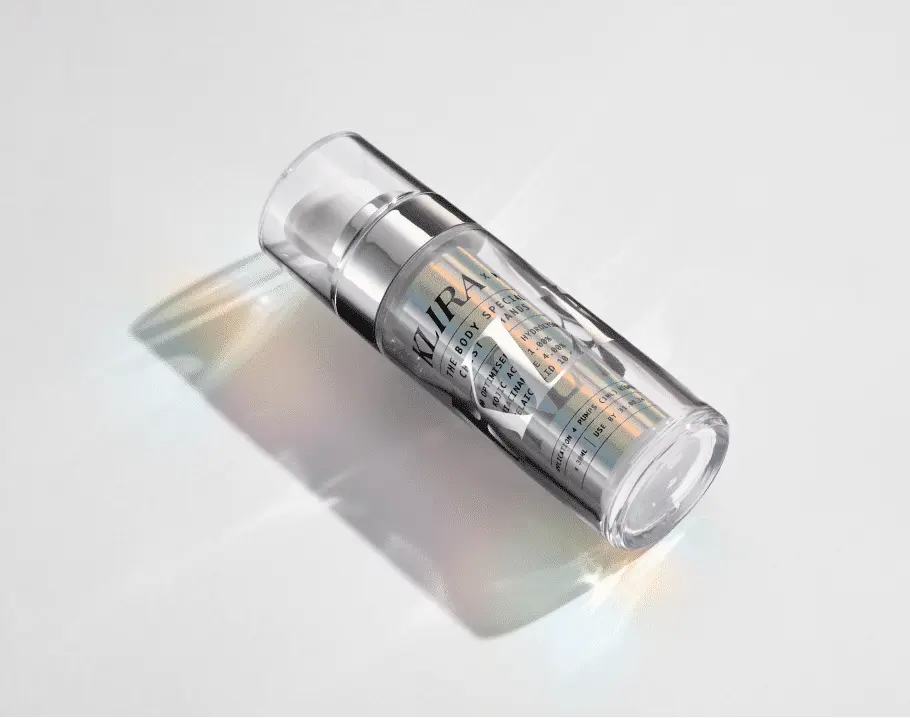
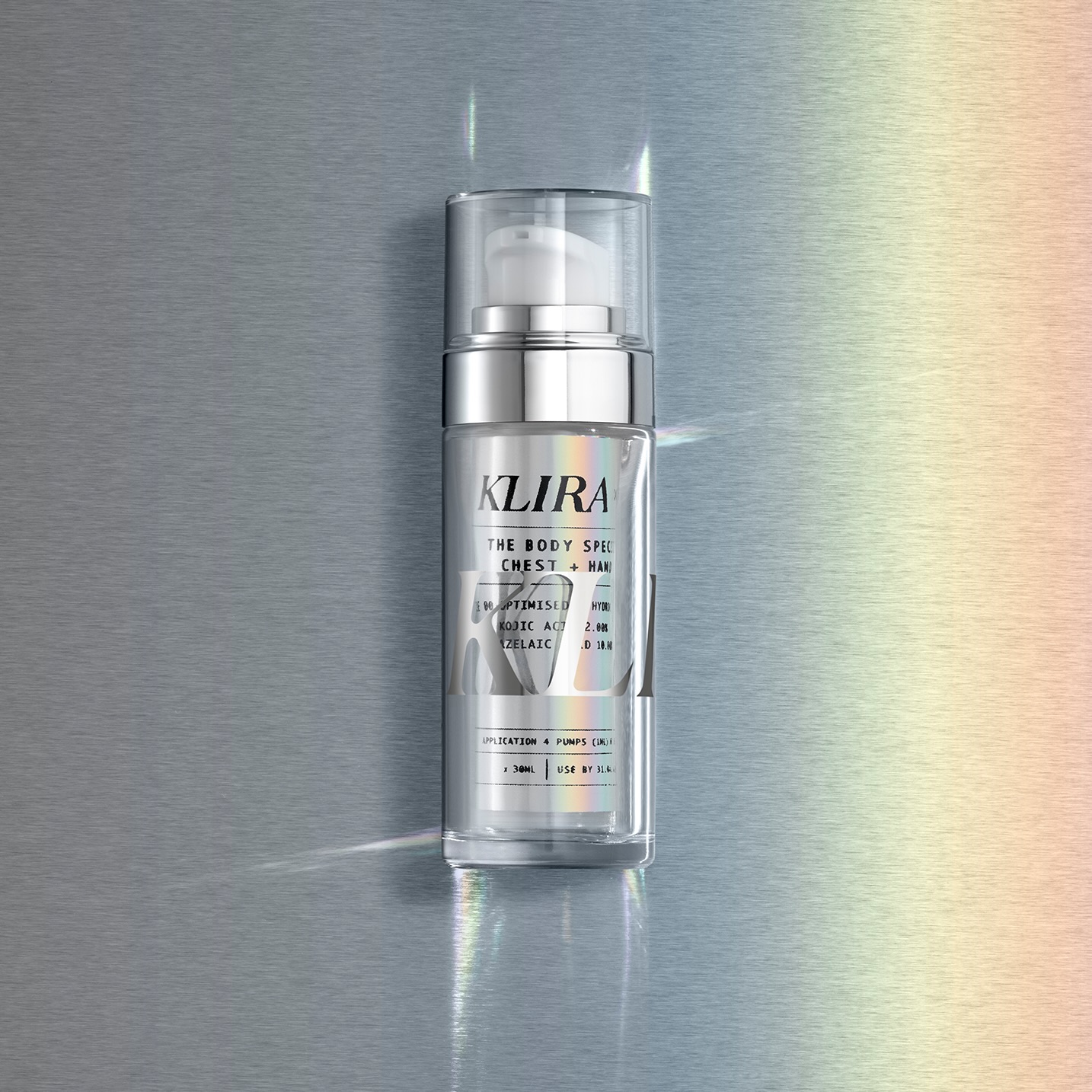
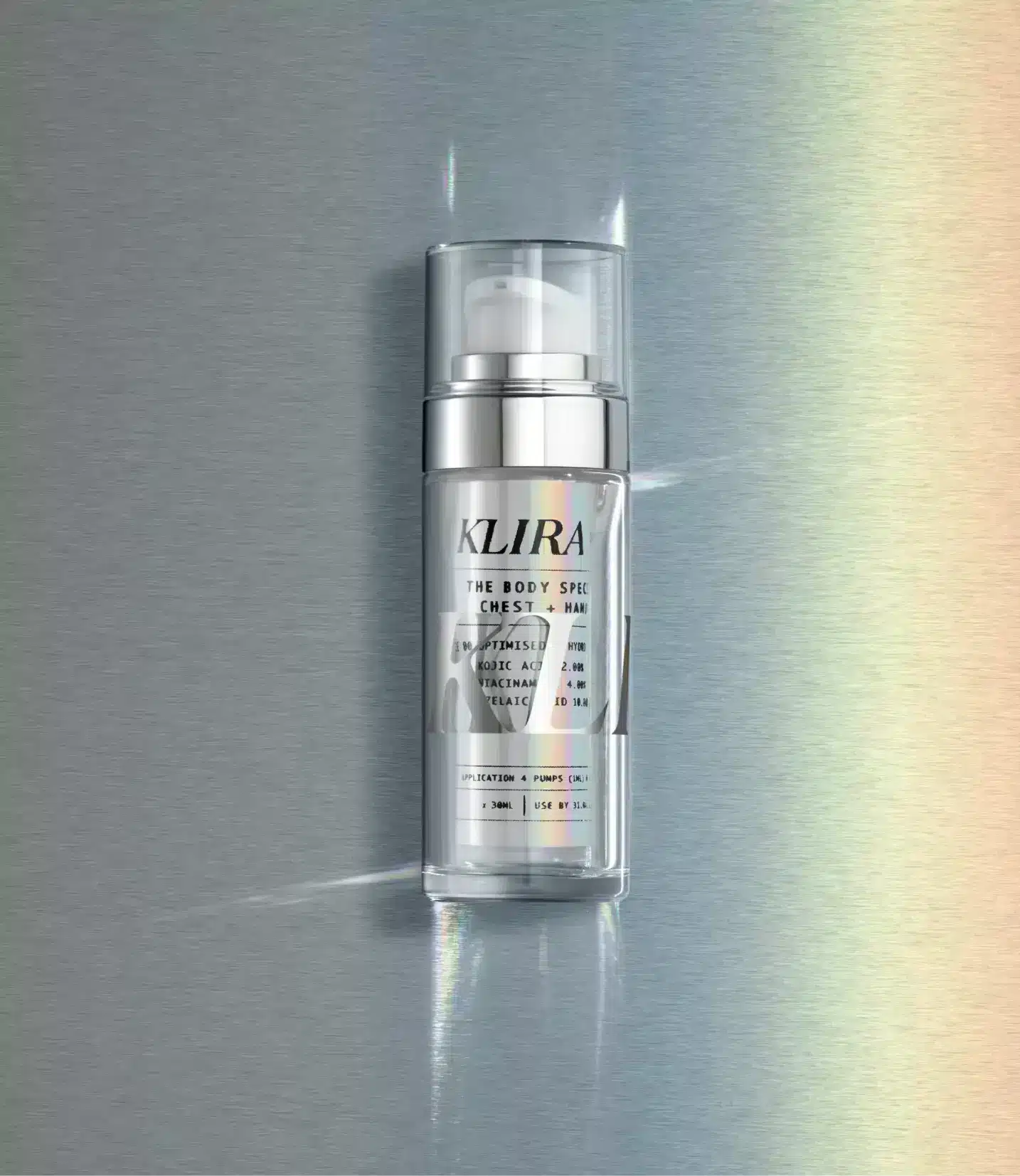
In order to specifically address all of this I’ve created The Body Special. This is a precision-targeted cream for the chest and hands to expertly tackle visible signs of ageing caused by sun damage and collagen depletion in one simple step.  

This formula contains the most well-evidenced active ingredients combined with skin conditioning ingredients in a base with reduced preservatives which means it is tolerated by even really sensitive skin. Therefore we can effectively treat the skin on the chest and skin on the hands in a single step with a formula that is powerful enough to deliver positive visible change in these areas. This formula has been 3 years in the making and is the combination of expert medicine, dermatology, and pharmaceuticals.   

Order your Body Special

Key Ingredients 

  • The cream is built around a perfectly balanced ratio – 2-10-2 – with actives working on different cellular pathways to tackle pigmentation, oxidative stress, hydration and collagen depletion.    
  • 2% Kojic Acid effectively reduces hyperpigmentation by inhibiting the production of melanin in the skin. Additionally, it works as an antioxidant to counteract the free radical damage prompted by daily sun exposure.   
  • 10% azelaic acid supresses overactive melanocytes to visibly reduce age spots and stop new ones from forming, whilst also acting as an anti-oxidant to reduce future cellular damage   
  • 2% Avocado Oil is a source of niacin a precursor of niacinamide. Rich in essential fatty acids, vitamins (A, D, E), and antioxidants, it is beneficial for maintaining skin hydration, promoting elasticity, and protecting against environmental damage.
  • A combination of hydrolysed collagen peptides, cholesterol, squalene and ceramides nourish the skin barrier to support optimum skin health.    
  • Together, these ingredients working in synergy deliver skin that is reduced of pigmentation, soft, smooth, and radiant.    
  • The formulation itself is luxurious to apply with a cream-to-serum texture that is instantly absorbed, leaving only a sensation of beautifully moisturised skin.  

Is it suitable for my SkinSize™?

The skin on our hands and chest is not as nuanced as that on our faces, and the UV-induced ageing related concerns that we are treating are universal, and so we’ve been able to formulate The Body Special for all SkinSizes™. It is therefore SkinSize™ neutral and we’ve called this SkinSize™ 00.  

How to apply? 

  • The Body Special is not a lotion for lathering on. It is a precision targeted treatment for the chest and hands. The cream-to-serum formula should be applied as the final step of your evening routine.   
  • First gently cleanse the areas. Pat your skin dry. Then apply 2 pumps to the chest and 1 pump to the back of each hand, focusing on any visible age spots. If you’d like to extend treatment then you can also take it up the arms, or on to the shoulders with additional pumps.   
  • We recommend doing this routine after your facial skincare routine so you don’t spread the active ingredients into sensitive areas of the face. With daily use you will see positive results in 12 weeks.  

Order your Body Special

CLINICAL TRIAL & EVIDENCE 

The Body Special Clinical Trial  

  • 100% of candidates noticed an improvement in their skin texture and 83% noticed a good – excellent improvement. 
  • In those with unwanted pigmentation (age spots),100% of test candidates noted a good to excellent improvement and 30% had a dramatic improvement. 
  • 100% of candidates felt their skin to be more rejuvenated and 83% felt their hands and chest skin were dramatically more rejuvenated. 
  • Skin turgor and elasticity was noted to improve in 100% of candidates. 

12 candidates, daily use for 3 months, January-March 2024 

Evidence for active ingredients 

KOJIC ACID 

  • Kojic Acid is a tyrosinase kinase inhibitor meaning that it blocks the conversion of tyrosine to melanin. By regulating this activity in overactive cells, it can reduce unwanted pigmentation. 
  • Kojic acid reduces skin discoloration by increasing skin brightness in 75% of patients tested, reducing skin contrast in approximately 83% and increasing skin homogeneity in approximately 67% of patients. 
  • 12 patients J Clin Med. 2023 Apr; 12(7): 2710 

AZELAIC ACID 

  • Azelaic acid cream yielded 65% good or excellent results in reduction of unwanted hyperpigmentation  
  • RCT data 329  patients – Int J Dermatol. 1991 Dec;30(12):893-5

Our Dermatology Team will review your SkinSize™ Analysis, medical information, and photos to decide which ingredients you will receive in your bespoke formula.